Mexico, 1984
Review:JA Kerswell
A mad mystery killer, with a seeming Giallo obsession, murders lovers and single women with a flashing sabre blade in this Mexican Golden Age slasher film shot in Texas.
THE DEATH OF THE JACKAL begins with two couples pairing off to explore a massive rustbucket of a ship stranded at an industrial dock for a bit of slap and tickle. They are not alone. Two of the afternoon lovers are viciously attacked by a pair of Dobermans. Unaware of their friends' fate, the others face off against the dogs before a man emerges from the darkness, his face shadowed, wearing a fedora and a long black trench coat. He pulls a sabre concealed in his cane and stabs the man in the throat, triggering his girlfriend to flee into the night, clip-clopping in her block heels and hot pants — but she is cornered by the relentless mutts and then offed by the killer with his blade.
Later, another young woman is murdered by the stylishly dressed psycho; her body is found tumbling out of a locker. Local Sheriff Bob (Mario Almada) is frustrated by the lack of leads in this string of murders and seeks help from his brother Roy (Fernando Almada), who heads the marine authorities and has jurisdiction where most of the murders have occurred. However, the killer becomes even more daring, targeting a topless dancer in her dressing room and causing chaos at the bar where she works and where Bob is drinking (in the film’s wildest scene). The brothers believe they have a lead and race to finger a suspect during a speedboat chase that ends in an explosion and the realisation that it’s not their man. Over drinks, they consult a psychiatrist who suggests that the killer is probably a schizophrenic, explaining, “For many years they behave like normal people, and suddenly they become crazy killers.” Who is the mad dog-loving assassin, and does one of the brothers harbour a deep, dark secret?
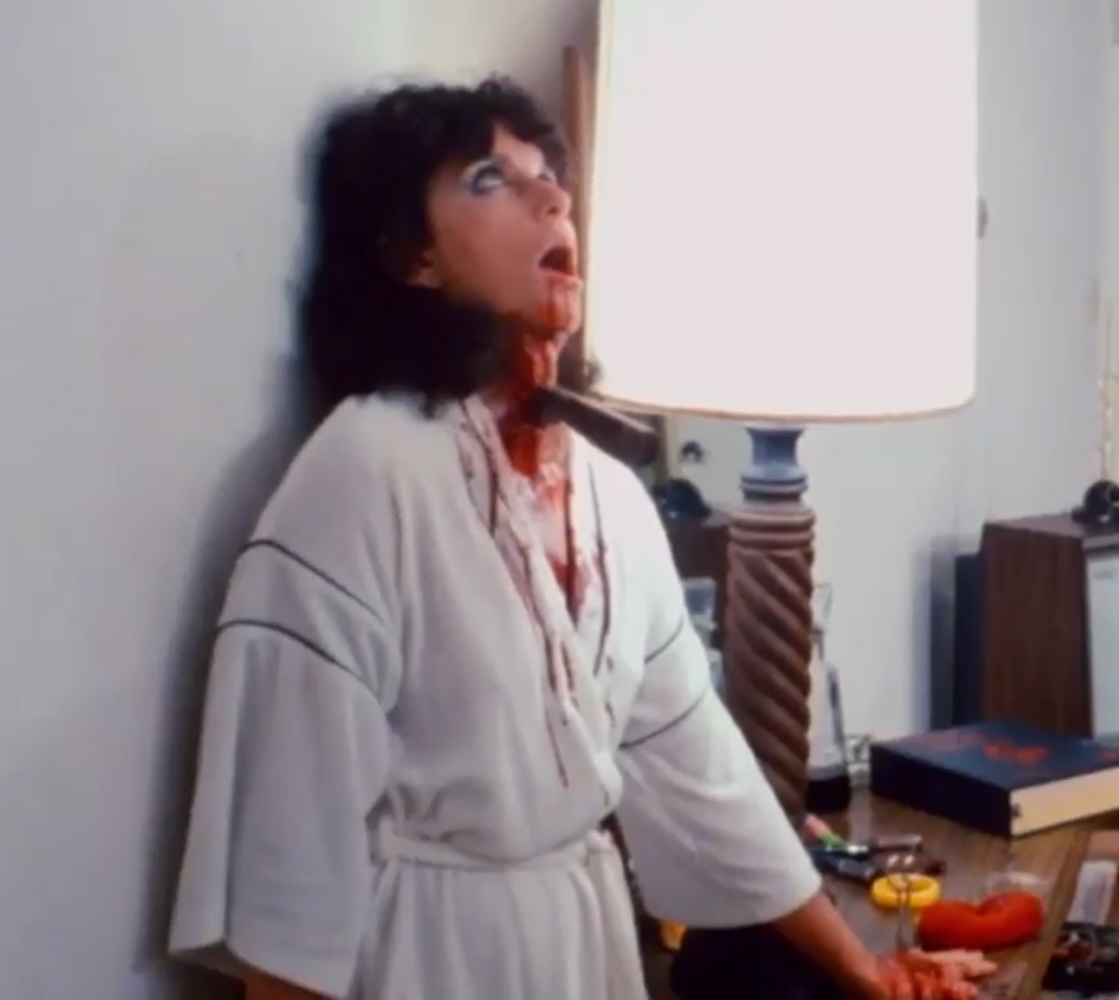
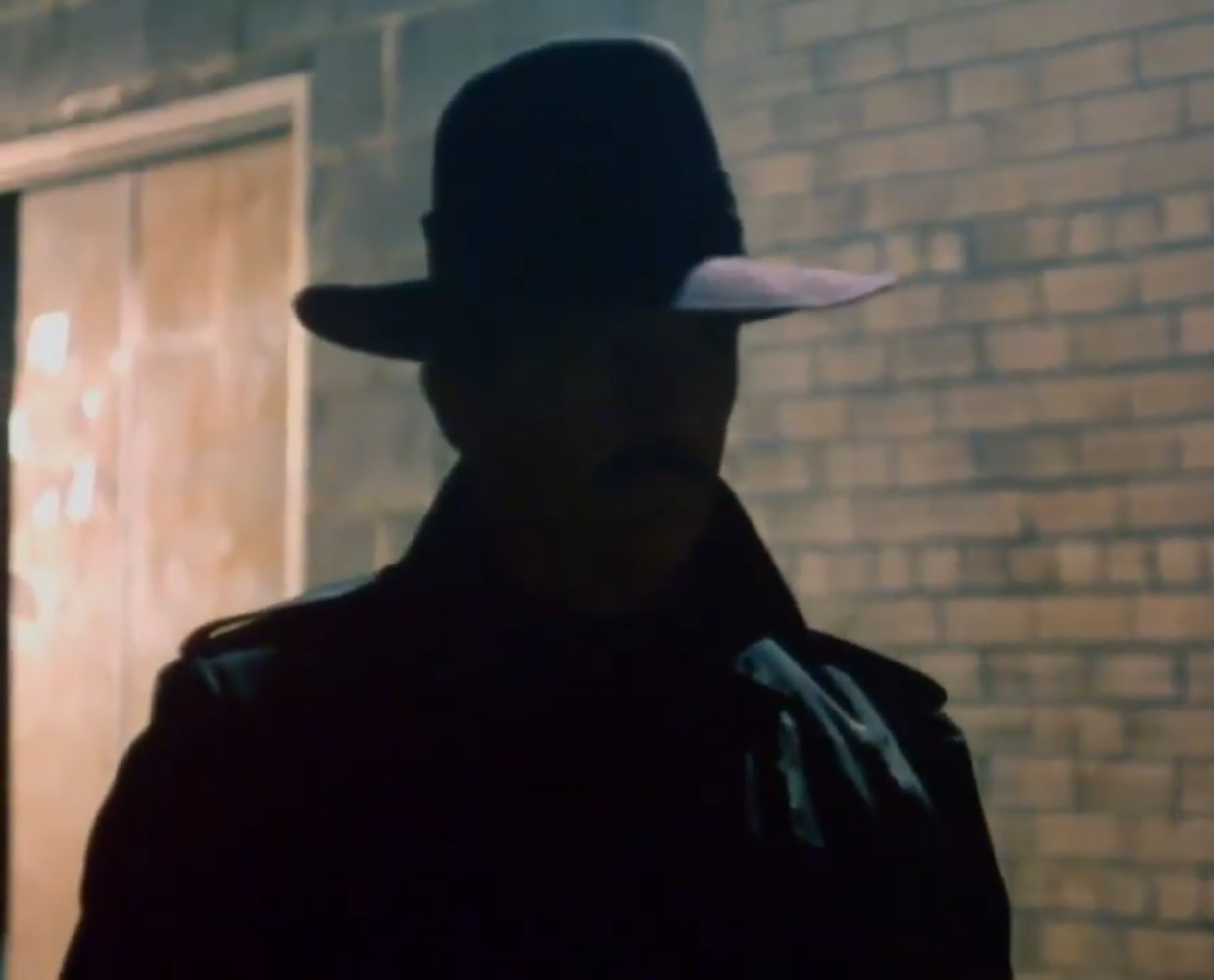
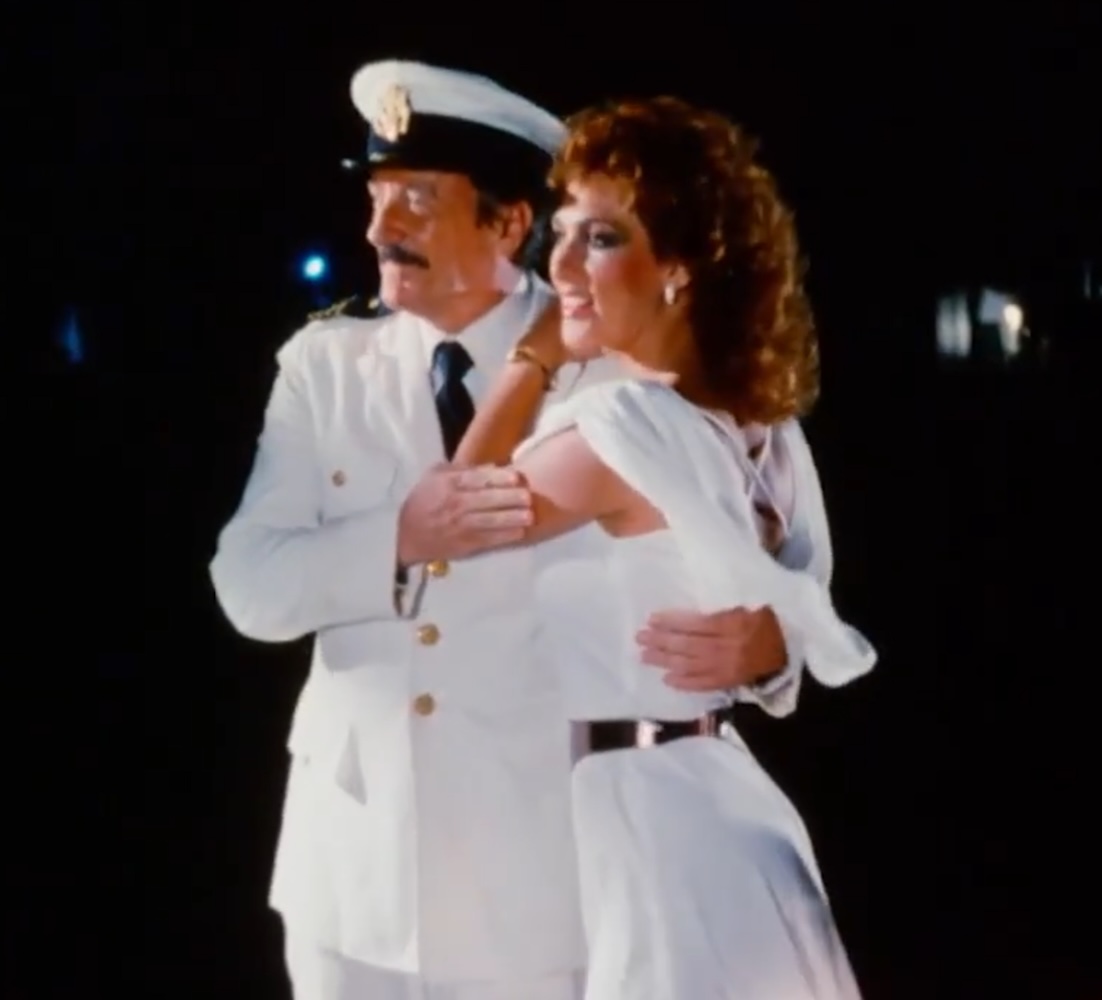
In a similar manner to Juan Piquer Simón’s PIECES (1982), a Spanish production, the killer in THE DEATH OF THE JACKAL clearly owes a sartorial debt to the mad murderers of the Italian Giallo genre with their fedoras, black gloves, and leather coats. However, it is also clearly inspired by the popularity of North American slasher movies at the time, with their have-sex-and-die plots, heavy-breathing POV, and a killer with unnatural strength, among other familiar elements. Although not excessively gory, there are plenty of murders and some topless nudity thrown in for good measure. Surprisingly, the killer’s identity is revealed halfway through, and the film even depicts a breakout from an insane asylum five months after they are caught, leading to a new killing spree with a home invasion scene reminiscent of the start of HALLOWEEN II (1981). However, the film—though largely lacking the exaggerated melodrama of later examples—shows its Mexican roots through the pairing of the real-life Almada brothers and their swaggering, yet charismatic machismo. While most of the cast are also Mexican and speak Spanish, the film was shot in Brownsville, Texas (the southernmost city of the state), and the abundance of English-only signs (including ‘Topless Bar’) gives it a slightly discombobulated feel.
Although played mostly straight, THE DEATH OF THE JACKAL has a few scenes so unlikely that they can’t help but evoke a chuckle, almost certainly unintentionally. These include a young model, Sally (Olivia Collins), improbably falling head over heels for the middle-aged Roy and asking him to drive her to the docks, where, under the stars, she inexplicably gushes about how beautiful and romantic the industrial wasteland appears. In an even more unlikely turn, she then rapturously speaks about the broken-down, rusting vessel where the killer lurks, calling it a “beautiful boat” in breathless tones and insisting they explore it immediately. Then there’s the fact that, five months after the killer is caught and then escapes back to his boat lair, his Dobermans are waiting for him—perhaps there’s a dog-sitting service for psychos? There are even the bodies, fresh as if murdered that day, hanging off hooks in the depths of the boat, perhaps hinting that police work isn’t quite up to scratch in that particular port town. Finally, there’s the cliché of having an attractive policewoman dress up as a sex worker to lure the killer, and no sooner has she donned her provocative outfit (complete with blue glitter eyeshadow) and stood in a dodgy alleyway than the killer appears, heavily silhouetted and cane in hand.
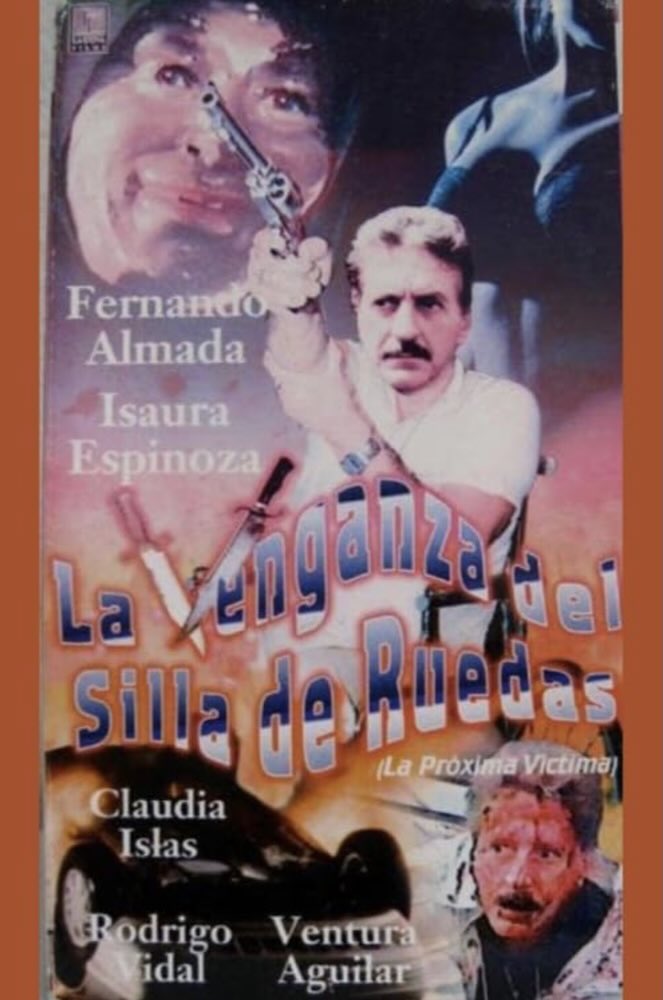
THE DEATH OF THE JACKAL received a North American cinema release in Spanish-speaking theatres in California as early as March 1984, suggesting it was made in late 1983. It was mainly promoted as an action film because that was what the Almada brothers were best known for, although it strongly fits into the slasher-thriller genre. Speaking of which, the pair returned for the direct sequel, MASSACRE ON THE RIO GRANDE (MASACRE EN RÍO GRANDE), which was released to Spanish-language North American theatres in April 1985 and was probably filmed back-to-back with this. Fernando also starred in the slashers GRAVE ROBBERS (1990) and THE REVENGE OF THE WHEELCHAIR (1993). Director Pedro Galindo III, allegedly co-directed this with his grandfather, Pedro Galindo (although his name does not appear in the credits), also returned for the sequel and later revisited the subgenre with TRAMPA INFERNAL (1988).
Despite some occasionally stodgy pacing, THE DEATH OF THE JACKAL is often highly entertaining and is steeped in gaudy early-80s charm. However, its title makes little sense as the film concludes with a ‘he’s still out there’ twist, complete with heavy breathing over the closing credits, leaving the door wide open for the sequel that followed the next year.
BODY COUNT 14:
Female 4 / Male 10
THE DEATH OF THE JACKAL (1984) (Full Movie - select auto translate for ENG subs)
Thank you for reading! And, if you've enjoyed this review, please consider a donation to help keep Hysteria Lives! alive! Donate now with Paypal.